What Should You Check Before Choosing a Firestarter Supplier?
When you contact a new firestarter supplier, the first thing you usually receive is a product catalogue or quotation.
That is a useful starting point, but it tells you very little about what working with that supplier will actually be like.
Can they understand your target market? Can they clarify product specifications? Can they coordinate customized packaging? And when something needs to be changed, will you get a clear answer?
For importers and distributors, these questions are worth asking before choosing a sourcing partner.
Here are seven areas to look at.
1. Do They Know the Products They Are Offering?
Start with product knowledge.
A supplier should be able to explain the differences between the firestarter products in its range, including their materials, formats and intended applications.
For example, wood wool firelighters and firestarter cubes are not simply two names for the same product. They may differ in composition, packaging, handling and market positioning.
Ask specific questions about the products rather than relying entirely on catalogue descriptions.
If you are buying for a BBQ retailer, fireplace retailer or outdoor brand, explain the intended application. It helps make the discussion more relevant.
2. Can They Give You Detailed Specifications?
A supplier who can only provide a product name and photograph is not giving you enough information to make a purchasing decision.
Request details such as:
- Material composition
- Product dimensions
- Individual or pack weight
- Pieces per retail pack
- Available packaging formats
- Master carton configuration
For a useful quotation, these details should be as clear as possible.
They also help prevent misunderstandings when you reorder the same product later.
3. Can You Evaluate a Sample Before Ordering?
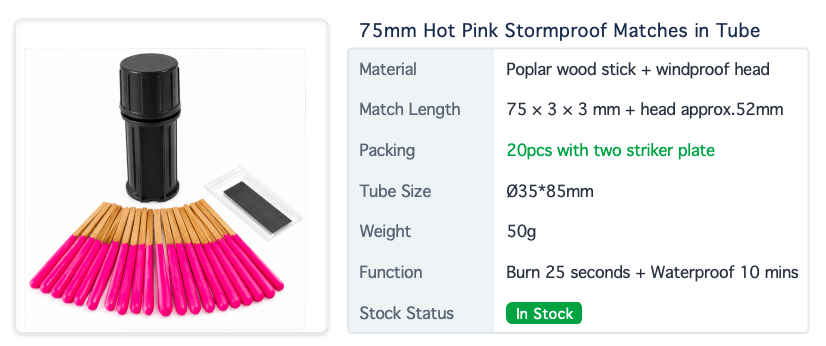
A sample gives you a chance to assess the actual product rather than making a decision based on photographs.
When requesting a sample, explain what you want to evaluate.
You may be interested in the appearance, size, material, packaging or burning performance. If the product will be sold under your own brand, you may also need to review the retail presentation.
Ask how the sample relates to the proposed bulk-order specification. If any details change later, make sure they are documented.
4. Can They Coordinate Your Packaging Requirements?
For many retailers, the packaging is part of the product they are purchasing.
You may need a printed box, a paper bag, a poly bag or another retail format. You may also have requirements for barcodes, product descriptions, multiple languages or master carton markings.
Before choosing a supplier, ask what packaging options can actually be arranged for your product.
If you are developing a private label range, find out how artwork is reviewed, how changes are confirmed and who coordinates the packaging process.
A supplier should not promise every possible packaging option without checking whether it is suitable for the specific product.
5. How Do They Handle Communication and Changes?
Pay attention to the way a supplier handles your first inquiry.
Do they answer the questions you actually asked? Do they explain unclear details? Can they summarize your requirements correctly?
This matters more than it may seem.
A purchasing project can involve several revisions to product specifications, packaging artwork and shipment details. If communication is unclear at the quotation stage, the process may become even more difficult later.
A useful partner should be willing to confirm important details in writing rather than relying on assumptions.
6. Do They Understand Export Order Coordination?
For overseas buyers, the product is only one part of the transaction.
The order may also involve trade terms, shipping arrangements, packing lists, commercial invoices, destination requirements and other relevant documents.
Ask what export coordination the supplier or sourcing partner actually handles.
It is also worth clarifying responsibilities. Who confirms the packing information? Who communicates shipment updates? Who follows up if a document needs correction?
These questions are especially important when purchasing from overseas suppliers for the first time.
7. Are They Transparent About Their Role?
Not every buyer needs to work directly with a manufacturer.
Some prefer to deal with a trading company that can help compare product options, communicate with relevant suppliers, coordinate packaging and follow up on export orders.
Others may prefer direct factory communication for particular purchasing arrangements.
Neither model is automatically better for every project.
What matters is knowing who you are dealing with and what that company is responsible for.
If you are working with a trading company, ask:
- Where are the products sourced?
- Who is responsible for the relevant product specifications?
- How are quality requirements communicated?
- Who coordinates packaging?
- How are order changes handled?
- Who follows up on shipment arrangements?
Clear answers are more valuable than a broad promise of being a “one-stop supplier.”
Manufacturer or Trading Company: Which Is Right for You?
There is no single answer.
Working directly with a manufacturer may suit buyers who already have clear specifications and prefer to communicate directly with the production source.
A trading company may be useful when buyers need help coordinating different product options, packaging requirements and export arrangements.
The important thing is to understand the company's actual role, experience and responsibilities.
Do not choose a business simply because it calls itself a manufacturer, exporter or sourcing company. Evaluate what it can demonstrate and what it will take responsibility for.
A Good Supplier Relationship Starts with Clear Questions
Choosing a firestarter supplier should involve more than comparing catalogues and prices.
Product knowledge, detailed specifications, sample evaluation, packaging coordination, communication and export arrangements all deserve attention.
At Wild Igniter, we work as a trading company supporting international buyers with outdoor ignition product sourcing, supplier communication, packaging coordination and export order follow-up.
Whether you are looking for wholesale products or planning a private label project, we welcome inquiries from importers, distributors and retail brands.
Contact Wild Igniter with your product requirements and target market. We can start by discussing the specifications and sourcing options that fit your project.
A good sourcing relationship begins with knowing exactly who does what.